
"Arabian traditions"
800 article(s) found

The hometown of Arabian Coffee Ethiopian Coffee
Ethiopia, whose economy is dominated by agriculture and animal husbandry, is one of the countries with the largest variety of crops in Africa. Grain mainly produces moss bran, followed by barley, wheat, sorghum and corn. Coffee is the second largest coffee producer in Africa in the world. Ethiopia, the hometown of Arabica coffee, grows at high latitudes and needs a lot of manual care. But also the hometown of mocha coffee, it has

The spread and development of coffee
European historians argue that as early as 800 years ago, there were artificial coffee trees for trade in Yemen in the southern Arabian Peninsula, and there was historical evidence that at that time, there was indeed trade across the Red Sea between Yemen and Ethiopia.

Introduction of mocha coffee beans
Mocha coffee (also known as mocha or mocha, also translated as Arabian quality coffee, English Caf Mocha, meaning chocolate coffee) is a variant of Italian latte (Caf Latt). Like the classic Italian latte, it usually consists of 1/3 espresso, mocha (Caff Espresso) and 2/3 foam.
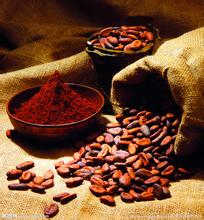
Did the Arab countries start drinking coffee first? which country was the first to drink coffee?
The first cup of coffee in the world was made by Arabs. When Europeans first came into contact with coffee, they called the seductive drink Arabian wine, and in the literature left by many European travelers in the 16th century, Arabs sipped a black honey made from black seeds. Long before Europeans knew about coffee, Arabs knew about it in the 3rd century.

Yemeni Coffee Features and Markets of Yemeni Coffee
Yemen was known as Arabia until the 6th century AD, so coffee trees transported from Yemen to other places were also called Arabic coffee trees. But the origin of these trees is Ethiopia. Yemen was the first country in the world to produce coffee on a large scale as an agricultural crop. Yemeni coffee farmers still produce coffee the same way they did 500 years ago.

Flavor description of Hasunda Coffee Garden in Ecuador introduction to the taste of variety treatment in producing areas
Ecuador is the highest Arabian coffee plantation in the world. The Arabian Coffee Tree was first introduced to Ecuador in 1952 and its coffee is of good quality, especially the coffee harvested in early June. Ecuadorian coffee beans can be divided into two varieties: Galapagos and Gigante, both of which have the characteristics of large particles, heavy weight, balanced acidity and rich aroma. Er

Arabica Coffee Variety Flavor taste Manor area introduces the characteristics of Arabica coffee beans
Arabica (Coffea arabica) is the most traditional Arabica coffee variety. Originally from East Africa, coffee was monopolized by the Arab world for a long time before the 15th century, so it was called Arabian coffee by Europeans. It turned out that all the commercial coffee in the world were small grains, but it was only at the end of the 19th century that growers began to look for other resistance to a large-scale disease.

Yemeni mocha coffee history introduction, Yemeni mocha coffee shell brewing tea
Following caf é comments (Wechat official account vdailycom) found that Caf é Beautiful Caf é opened a small shop of its own. Coffee is one of the traditional Yemeni agricultural products. It has been famous all over the world for its unique flavor since ancient times. Many of the world's coffees are of origin in Yemen, thanks to Yemen's special geographical location. In Yemen, coffee grows mainly between 1000 and 1700 meters above sea level, from plateaus to high mountains.

How to drink Yemeni mocha coffee beans? What is the taste of Yemeni mocha beans?
Professional coffee knowledge exchange more coffee bean information Please follow the coffee workshop (Wechat official account cafe_style) Today, there are many different opinions about the source of drinking coffee. Arabs believe that in the 15th century in Ethiopia or Yemen, a shepherd found that his sheep would jump lively after eating a plant many times, so people found that coffee could refresh.

Yemeni fine coffee beans with complete grain shape Flavor Taste Aroma Description Introduction
Mokha Ismaili: is one of the traditional ancient tree species, the market name for a famous coffee from central Yemen, and is also described as a botanical classification of traditional Yemeni coffee with high beverage quality. Grown at high altitudes, above 6500 feet, the beans are characterized by a more rounded shape, smaller bean shape than martali, thick taste, high complexity, average

The oldest coffee: a brief introduction to the flavor, taste and aroma characteristics of Yemeni mocha coffee
A long time ago, Ethiopians ruled what is now Yemen and transplanted coffee to Yemen. later, Arabs ruled the entire Arabian Peninsula, and Yemen was also among them. Natural energy coffee also became an Arab drink. In order to monopolize the product of coffee, the export of coffee beans had to be ironed so that they could not sprout. At that time, the port of coffee export was the port of Mocha.

Description of altitude Flavor of Coffee growing area in Yemen
Following Kaiping (official Wechat account vdailycom) found that the Beautiful Cafe opened a small shop of its own in Yemen, where coffee growers planted poplars to provide shade for coffee trees to grow. As in the past, these trees are planted on steep terraces to maximize the use of less rainfall and limited land resources. Except for Tippica Coffee Tree and Bourbon Coffee Tree.
Arab Coffee Culture
When Europeans first came into contact with coffee, they called the seductive drink Arabian wine, and when conservative Catholics cursed coffee as the devil's drink, they never thought of what a precious thing they inherited from the pagans. As the first region in the world to drink and produce coffee, Arab coffee culture is like it.
Flavor characteristics of Yemeni Coffee Classification of Yemeni mocha Coffee characteristics of Yemeni Coffee
Yemeni coffee Yemen produces bean-shaped berry coffee beans (Peaberrybean): this coffee bean is smaller and rounder than most coffee beans and looks like peas, sometimes referred to as mocha coffee beans. The shape of mocha coffee beans is similar to that of Ethiopia's Harrar coffee beans.
Coffee culture around the world
The ancient Arabian coffee culture when Europeans first came into contact with coffee, they called this seductive drink Arabian wine, and when conservative Catholics cursed coffee as the drink of the devil Satan, they would never think of what a precious thing they inherited from the pagans. As the first place in the world to drink and produce coffee

Introduction to the characteristic origin of Yemeni mocha coffee
Yemeni coffee origin: Yemeni bean-shaped berry coffee beans (Peaberrybean): this coffee bean is smaller and rounder than most coffee beans and looks like peas, sometimes called mocha coffee beans. The shape of mocha coffee beans is similar to that of Ethiopia's Harrar coffee beans.

Introduction to the taste characteristics of the description of roasting degree and flavor of Burundian coffee
Coffee production in Burundi: Burundian coffee is now grown only on small farms. Almost all coffee produced in Burundi is Arabian coffee beans, while coffee trees in Ngozi are planted at an altitude of more than 1200 meters. Characteristics of Burundi Coffee: Burundi (Burundian) has the most diverse and successful coffee industry in the world, and has its own characteristics.

Arab Coffee Culture Fine Coffee Culture History
When Europeans first came into contact with coffee, they called the seductive drink Arabian wine, and when conservative Catholics cursed coffee as the devil's drink, they never thought of what a precious thing they inherited from the pagans. As the first region in the world to drink and produce coffee, Arab coffee culture is like it.

The origin of coffee in Yemen, the characteristics of coffee in Yemen
Following Cafe (official Wechat account vdailycom) found that Beautiful Caf é opened a small shop in Yemen where coffee is grown: Yemeni coffee beans (Peaberrybean): smaller and rounder than most, these beans look like peas, sometimes known as mocha coffee beans. The shape of mocha coffee beans is similar to that of Ethiopia's Harrar.

Introduction of Yemeni mocha coffee beans and characteristics of Yemeni mocha coffee beans
Following caf é comments (Wechat official account vdailycom) found that Caf é Beautiful Caf é opened a small shop of its own. Coffee is one of the traditional Yemeni agricultural products. It has been famous all over the world for its unique flavor since ancient times. Many of the world's coffees are of origin in Yemen, thanks to Yemen's special geographical location. In Yemen, coffee grows mainly between 1000 and 1700 meters above sea level, from plateaus to high mountains.